How to Tell When Your Shrubs Need Professional Care
People searching for how to tell when your shrubs need professional care are often looking for signs of decline that local contractors can address to keep plants healthy.
Understanding the signs that indicate your shrubs may need professional care is essential for maintaining a healthy and attractive landscape. Property owners in the area often find themselves questioning whether those wilting leaves, uneven growth, or persistent pests are normal or signals that expert attention is needed. Recognizing these early warning signs can help prevent more serious issues down the line, ensuring your shrubs stay vibrant and resilient. For those unsure about how to tell when their shrubs need professional care, exploring local shrub care services can provide valuable insights and peace of mind, connecting you with experienced service providers who can evaluate and address your plants’ needs.
Many property owners turn to local shrub care specialists when they notice irregularities or distress in their greenery. Whether it’s a sudden change in foliage color, signs of disease, or overgrown branches that hinder the appearance of a yard, professional shrub care can help restore health and beauty. Learning how to identify these indicators empowers homeowners to make informed decisions about when to seek expert assistance. Keep reading to discover practical tips for spotting when your shrubs might need professional attention and how local service providers can support the ongoing health of your landscape.
- Shrub pruning - when shrubs develop overgrown or uneven branches, local contractors can assess and trim to promote healthy growth.
- Mulching services - if shrub bases appear exposed or weed growth is overwhelming, local pros can apply mulch to protect roots and improve appearance.
- Pest and disease treatment - signs of discolored, wilting, or damaged foliage may indicate infestations or illnesses that local service providers can diagnose and treat.
- Soil testing and fertilization - poor shrub health, such as stunted growth or sparse foliage, can be addressed through soil analysis and tailored fertilization by local experts.
- Storm damage repair - broken or damaged branches after storms signal the need for professional pruning and stabilization from local shrub care specialists.
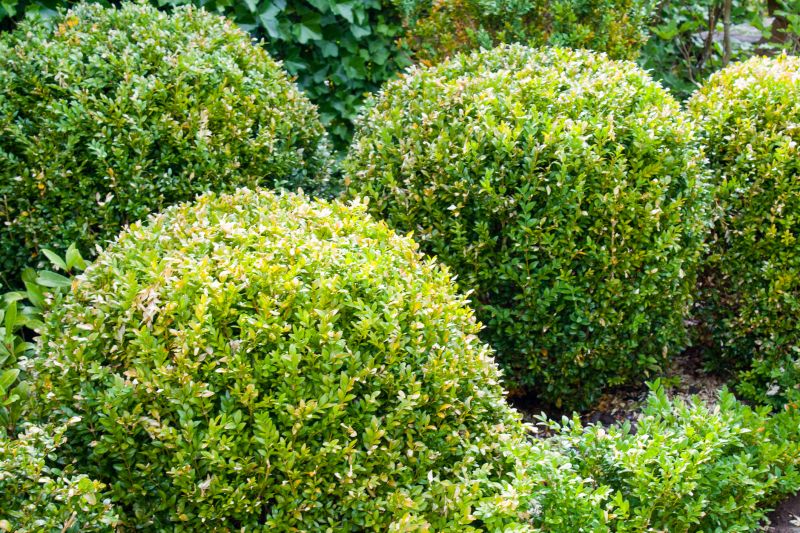
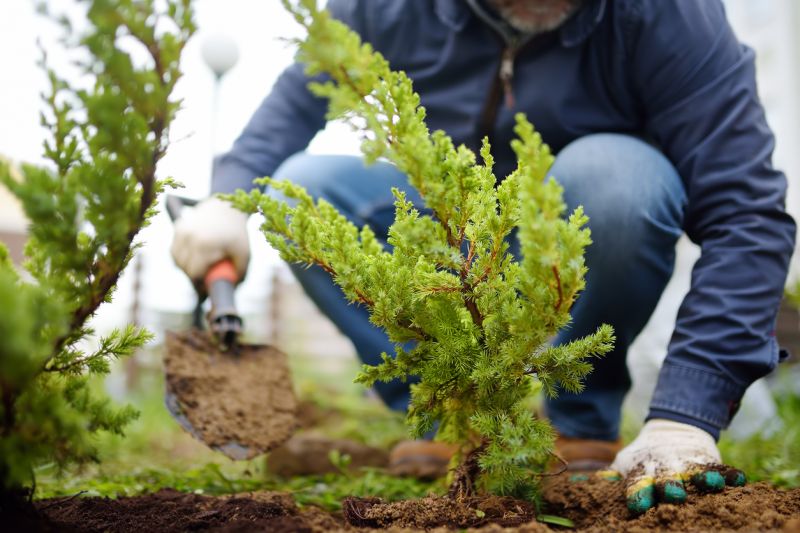

When homeowners search for how to tell when their shrubs need professional care, they are often seeking guidance on identifying signs of health issues or neglect that may not be obvious at first glance. This topic typically relates to concerns about shrub vitality, appearance, and overall health. Many property owners want to understand if their plants are thriving or if they require expert attention to address problems like disease, pest infestations, or improper pruning. Recognizing early warning signs can prevent more serious damage, making it important to learn what symptoms indicate that professional intervention is needed to maintain the beauty and health of the landscape.
The issues connected to this topic often involve common shrub problems such as wilting, discoloration, dieback, or unusual growth patterns. Homeowners might notice that their shrubs are not growing as expected, or they may see spots, holes, or abnormal patches on the foliage. These symptoms can signal underlying problems like fungal infections, insect infestations, or nutrient deficiencies. Additionally, plans for landscape upgrades or shrub replacement may prompt property owners to seek professional advice on whether existing shrubs are healthy enough to retain or require expert care to improve their appearance and longevity.
Properties that typically come up in discussions about when shrubs need professional care include residential yards, commercial landscapes, and community gardens. These properties often feature a variety of shrub types, from ornamental bushes to hedges and foundation plantings. Larger properties with extensive shrub borders or those with high visibility tend to have a greater need for timely professional assessments to keep plants looking their best. Homeowners with decorative or landscape-focused properties are especially interested in maintaining their curb appeal, which makes recognizing when shrubs need expert attention a key part of ongoing landscape management.
Understanding how to tell when shrubs need professional care helps property owners plan for timely interventions that can improve plant health and appearance. Local shrub care service providers are equipped to diagnose issues that may not be obvious to the untrained eye, such as hidden pest problems or early signs of disease. By addressing these concerns early, property owners can prevent more costly or extensive repairs later on. Connecting with experienced service providers ensures that shrubs receive the appropriate treatments, pruning, or care needed to restore their health and keep the landscape vibrant and attractive.
Garden Design and Planning - This project involves assessing plant health and layout, similar skills used to identify when shrubs require professional care to maintain their appearance and vitality.
Tree Pruning and Trimming - Proper pruning techniques are essential for shrub health, making this a related service where local contractors help improve plant structure and prevent issues.
Landscape Maintenance - Regular upkeep includes monitoring shrub health and addressing problems early, which aligns with recognizing signs that professional shrub care is needed.
Hedge Trimming Services - Maintaining hedge shape and health requires understanding shrub conditions, connecting directly to knowing when professional intervention is necessary.
Plant Health Diagnostics - Diagnosing plant diseases or pest infestations helps determine when shrubs need expert treatment, similar to identifying signs of decline in shrub care.
Soil Testing and Improvement - Ensuring proper soil conditions supports shrub health, paralleling the importance of professional care when natural growth is compromised.
When comparing service providers for shrub care, it’s important to evaluate their experience with similar projects. Homeowners should look for local contractors who have a history of working on shrubs comparable in size, type, and condition to those in the property. An experienced professional will have a better understanding of common issues that affect different shrub varieties and can offer more effective solutions. Checking references or reviews can provide insight into the quality of work performed on comparable projects, helping homeowners gauge whether a contractor’s expertise aligns with their needs.
Clear, written expectations are essential when choosing a shrub care service. Homeowners should seek providers who can offer detailed descriptions of the services included, such as pruning, fertilization, or pest management. Having a written outline helps ensure that both parties are aligned on the scope of work and can prevent misunderstandings. Good communication from the start also indicates that the service provider values transparency and is willing to address questions or concerns, making the entire process smoother and more predictable.
Reputation and communication are key factors when comparing local contractors. Reputable service providers often have established track records within the community and can provide references or examples of completed work. Effective communication involves timely responses, clear explanations of recommended treatments, and openness to discussing options. Homeowners should prioritize contractors who demonstrate professionalism and attentiveness, as these qualities often reflect their commitment to delivering quality shrub care and maintaining a positive working relationship throughout the project.
Property owners often search for how to tell when your shrubs need professional care when they are planning practical projects around their homes and businesses. Local pros provide Shrub Care services for everyday jobs and straightforward project options.
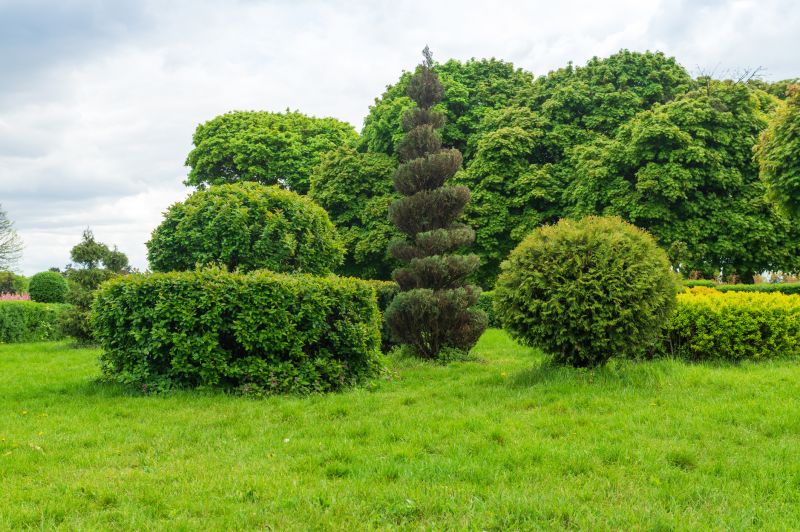
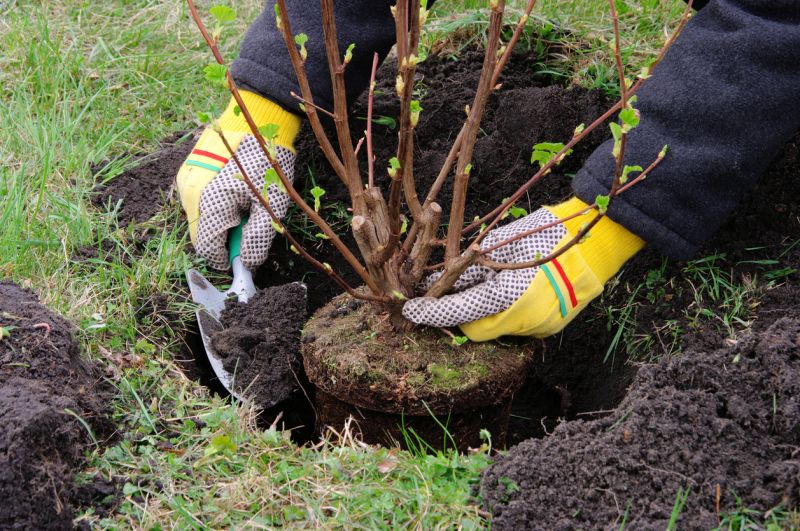
Property owners often notice signs that their shrubs may need professional care during routine yard inspections or seasonal changes. For example, if shrubs develop thinning foliage, uneven growth, or an abundance of dead branches, these can be indicators that they require expert attention. Additionally, the presence of pests or disease symptoms, such as discolored leaves or unusual growths, can signal that a consultation with local contractors is beneficial to restore the health and appearance of the plants.
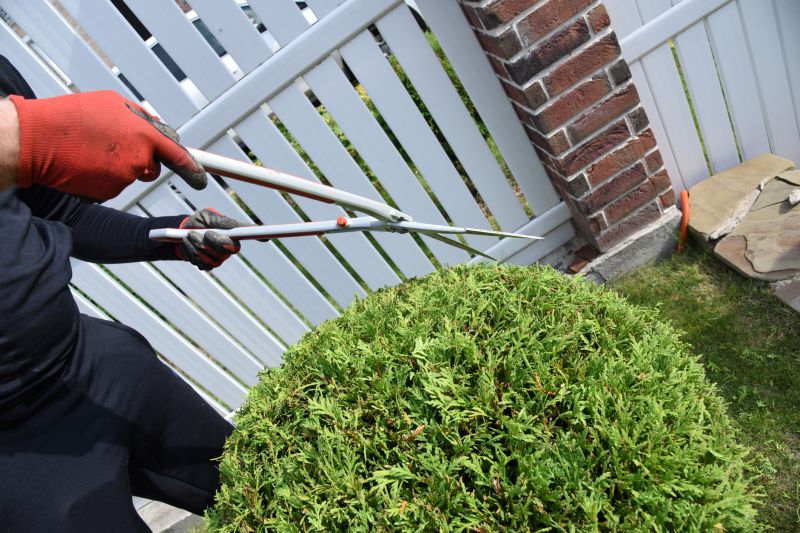
Simple observations like overgrown or misshapen shrubs can also prompt property owners to seek advice from local service providers. When shrubs start to look unbalanced or obstruct walkways and views, it may be time for professional pruning or shaping. Recognizing these everyday signs can help property owners determine when to consider shrub care services from experienced local contractors, ensuring their landscape remains attractive and well-maintained.
What are common signs that shrubs need professional care? Indicators include yellowing or browning leaves, stunted growth, and visible pest or disease issues that cannot be managed with basic maintenance.
How can I tell if my shrubs are suffering from pests or diseases? Look for unusual spots, holes in leaves, or sticky residues, and consider whether these problems persist despite regular watering and pruning.
When should I seek professional shrub care for overgrown or neglected plants? If shrubs have become excessively tall, leggy, or have dense, tangled branches that hinder growth, local contractors can help restore their health and appearance.
Are there specific symptoms that indicate my shrubs need pruning or shaping? Yes, if branches are crossing, dead, or diseased, or if the shrub's shape has become uneven or unruly, professional pruning can improve their structure.
What are signs that shrubs may be stressed or unhealthy and need expert attention? Signs include wilting, leaf drop, sparse foliage, or unusual growth patterns that do not improve with basic care, suggesting the need for professional assessment.
Unusual leaf discoloration - noticing leaves that change color or develop spots can indicate your shrubs need professional care to address pests or nutrient deficiencies.
Stunted growth or slow development - if shrubs stop growing or appear smaller than usual, local contractors can diagnose underlying issues and provide appropriate treatments.
Excessive branch dieback - significant dieback of branches may signal disease or damage that requires expert pruning and health assessment by shrub care specialists.
Persistent pest activity or infestations - ongoing pest problems that resist basic treatments are best managed by service providers with experience in shrub health and pest control.
If you are thinking about how to tell when your shrubs need professional care for a property, this guide is meant to help you understand this topic, the typical project types, and how different options might fit your plans.
When you are ready, you can use the quote form on this page to share a few details about your project. From there, local pros can review the basics and follow up with options that match what you have in mind.