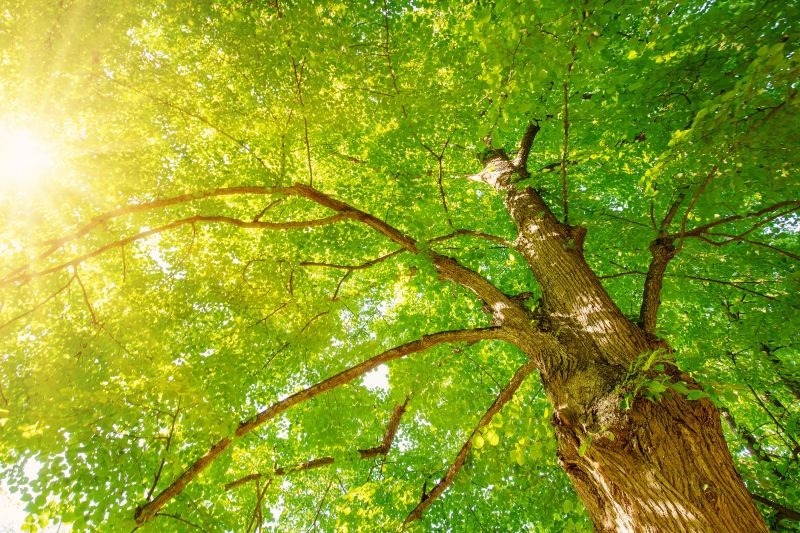
Tree Canopy Thinning in Reno, NV
Tree canopy thinning services involve carefully reducing the density and size of tree branches and foliage to improve the overall health and appearance of the landscape. This process is often requested for projects such as managing overgrown trees, increasing sunlight exposure to lawns and gardens, preventing potential damage from falling branches, or improving airflow within dense canopies. Homeowners interested in this service should consider the specific goals for their property, such as enhancing safety, promoting healthier tree growth, or maintaining a balanced aesthetic, and understand that proper thinning requires knowledge of tree structure and growth patterns.
Property owners typically want to understand which trees are suitable for thinning, the extent of work needed, and how the process might affect the tree’s health and appearance. It’s also important to consider the timing and frequency of thinning to ensure the long-term vitality of the trees. Clear communication about desired outcomes, such as reducing shade or removing dead or hazardous branches, can help guide the project. Contacting a professional service can provide guidance on the best approach for each specific landscape, ensuring that the thinning process supports both safety and the natural beauty of the property.
Many property owners in Reno, NV look into Tree Canopy Thinning for repairs, replacements, upgrades, and appearance-related improvements.
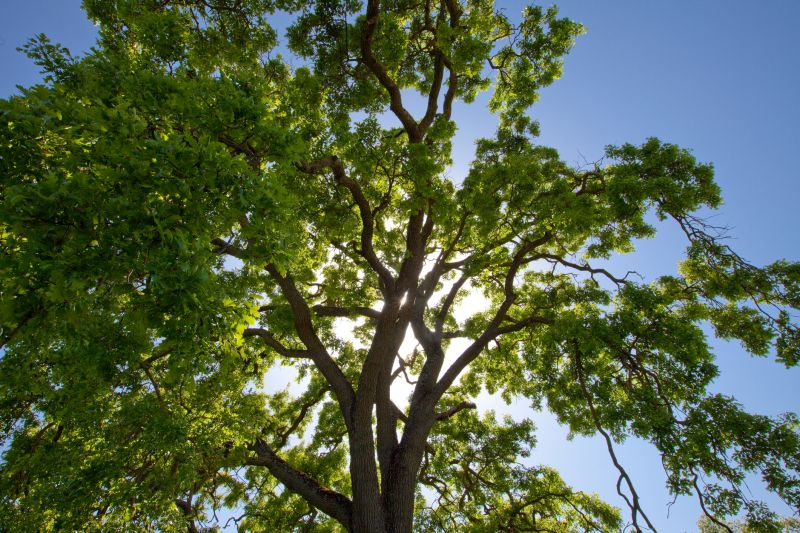
Enhancing Tree Health
Thinning the canopy can improve air circulation and reduce stress on trees in residential landscapes.
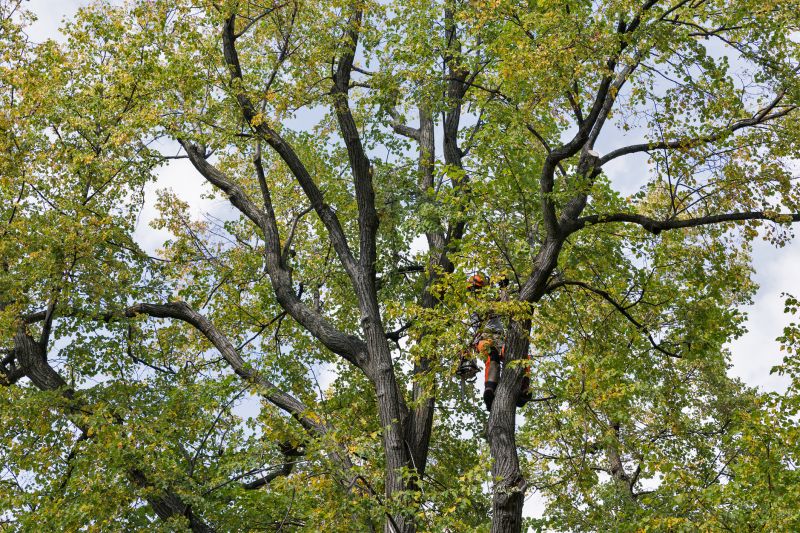
Improving Property Safety
Selective canopy thinning helps prevent branch failure and minimizes risks to people and structures.
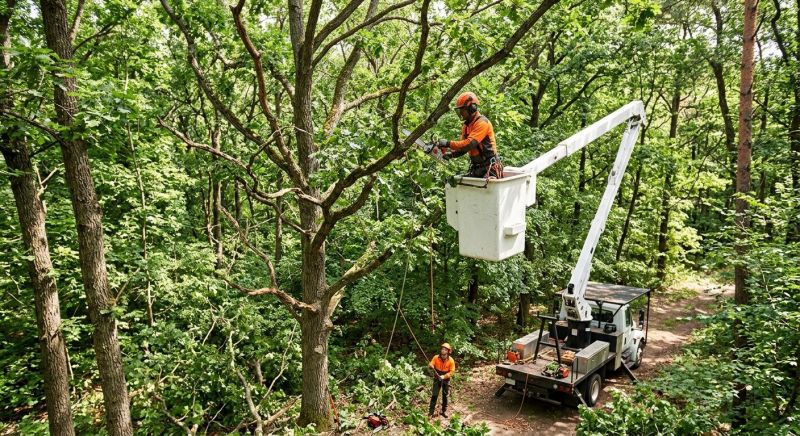
Managing Sunlight And Growth
Adjusting tree canopies allows more sunlight to reach lawns and garden beds, promoting healthier growth.
Tree Canopy Thinning in Reno, NV
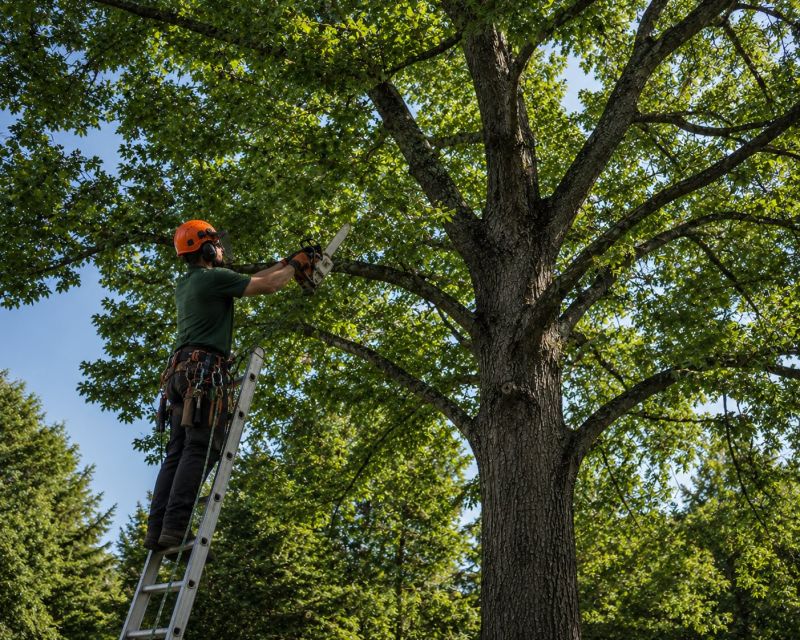
Tree canopy thinning services involve carefully reducing the density and size of tree branches and foliage to improve the overall health and appearance of the landscape. This process is often requested for projects such as managing overgrown trees, increasing sunlight exposure to lawns and gardens, preventing potential damage from falling branches, or improving airflow within dense canopies. Homeowners interested in this service should consider the specific goals for their property, such as enhancing safety, promoting healthier tree growth, or maintaining a balanced aesthetic, and understand that proper thinning requires knowledge of tree structure and growth patterns.
Property owners typically want to understand which trees are suitable for thinning, the extent of work needed, and how the process might affect the tree’s health and appearance. It’s also important to consider the timing and frequency of thinning to ensure the long-term vitality of the trees. Clear communication about desired outcomes, such as reducing shade or removing dead or hazardous branches, can help guide the project. Contacting a professional service can provide guidance on the best approach for each specific landscape, ensuring that the thinning process supports both safety and the natural beauty of the property.
Many property owners in Reno, NV look into Tree Canopy Thinning for repairs, replacements, upgrades, and appearance-related improvements.
Common Tree Canopy Thinning Jobs
Tree Canopy Thinning Services - thinning overgrown branches to improve sunlight penetration and airflow.
Tree Crown Reduction - reducing the height and spread of tree branches to prevent interference with structures.
Selective Branch Removal - removing specific branches to enhance tree health and aesthetic appearance.
Light Crown Thinning - removing smaller branches to decrease density without altering the tree’s shape.
Hazard Tree Pruning - removing weak or damaged branches that pose a risk to property or safety.
Canopy Shaping - adjusting the tree’s canopy for better growth and visual balance.
Tree Canopy Thinning Questions
What is tree canopy thinning? Tree canopy thinning involves selectively removing branches to reduce canopy density, improving airflow and sunlight penetration.
Why consider canopy thinning for a property? Thinning can help prevent storm damage, promote healthier tree growth, and improve the appearance of the landscape.
When is the best time for canopy thinning? The optimal time is during the late winter or early spring when trees are dormant and less likely to be stressed.
What should property owners know before requesting thinning services? It’s important to identify which branches to remove to maintain tree health and ensure safety around the property.
Request Tree Canopy Thinning in Reno, NV
Use the quote form on this page to share the basics of your project and request more information for the type of work you need.